Loading...
Serving Mill Valley, CA and surrounding areas. (628) 257-3020
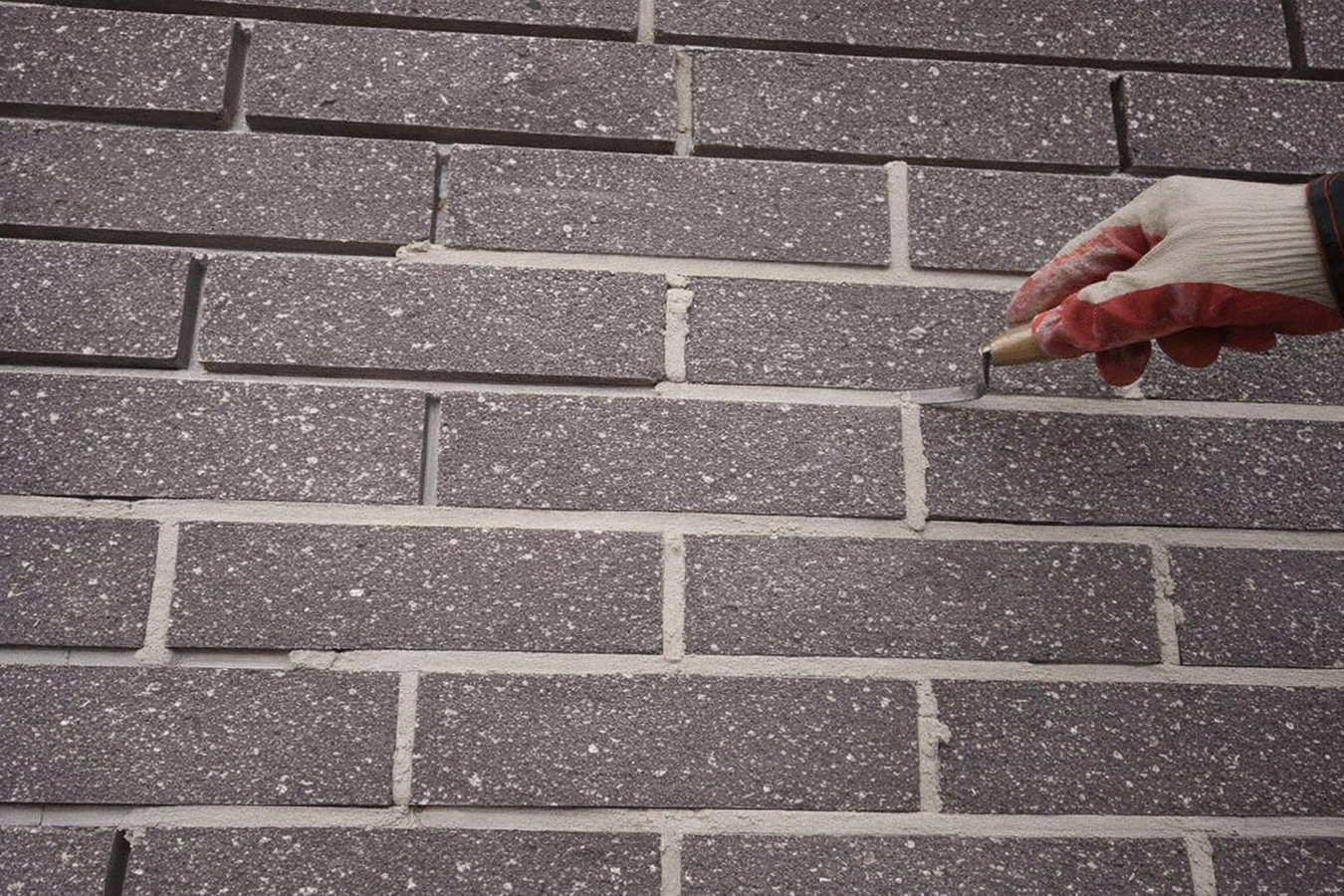
Crumbling mortar lets water into your chimney, walls, and steps every winter. We remove the damaged material, pack in a matched replacement, and seal the joint properly - so it holds.
Brick pointing in Mill Valley is the process of removing damaged or crumbling mortar from between bricks and replacing it with a fresh, properly matched mix, most chimney jobs take one to two days and larger wall sections take two to four days depending on access and how much mortar needs replacing.
Mill Valley homeowners call us most often after noticing white staining on a chimney after a rainstorm, or when water stains appear on a ceiling near the fireplace. The town receives 45 to 55 inches of rain a year, much of it arriving in sustained winter storms that drive moisture sideways into any gap in a chimney or exterior wall. A small crack in the mortar might look cosmetic, but water in that crack works at your wall all winter long. If nearby masonry needs structural attention rather than just mortar replacement, our foundation repair service addresses the structural side of that conversation.
Good brick pointing is not visible when it is done right. The repair blends into the surrounding wall because the mortar color, texture, and hardness match what was already there. Poor work - applying new mortar over old without removing the deteriorated material - looks fine for a year or two, then fails completely because it had nothing solid to grip. We always remove the old mortar first, to the depth required for a lasting bond.
Stand back and look at your chimney, brick steps, or garden wall. If you can see gaps where mortar used to be, or if it crumbles when you press it with your finger, the joints are no longer doing their job. This is the most obvious sign, and it means water is already getting in - every wet Mill Valley winter makes the damage a little worse.
Chalky white streaks or patches on brick after a rainstorm indicate that water is moving through the wall and carrying mineral salts to the surface - a condition called efflorescence. In Mill Valley's wet winters, this shows up on chimneys and north-facing walls first. It looks like a surface stain but it is actually telling you that moisture is getting in somewhere it should not be.
If you see water stains on the ceiling or wall near your fireplace after heavy rain, deteriorating chimney mortar is one of the most common causes. Mill Valley's winter storms can drive water sideways into a chimney that looks fine from the ground. Do not assume a roof leak is the culprit until the chimney mortar has been checked by a mason.
When mortar fails and water gets in repeatedly, it eventually damages the bricks themselves - the face begins to flake off in thin layers, a process called spalling. Once this starts, it accelerates. If bricks look pitted or rough where they used to be smooth, the mortar has likely been failing for some time and the repair becomes more involved than simple repointing.
We restore mortar joints on chimneys, exterior walls, garden walls, retaining walls, steps, and other brick or stone features throughout Mill Valley. Every job starts with an in-person assessment - the mason will walk the structure, look closely at the joints, and sometimes tap bricks to check for hollow spots. Then we select a mortar mix that matches the original in color, texture, and compressive hardness. Using the wrong hardness is not a cosmetic issue: mortar that is harder than the surrounding brick can cause the bricks themselves to crack as the wall expands and contracts with temperature changes. We also handle tuckpointing for brickwork that needs detailed color-matched fill work, and our foundation repair service addresses structural masonry issues that go beyond mortar joints.
For older Mill Valley homes - many built between the 1920s and 1960s with softer, lime-based mortar - matching the existing mix is especially important. We test existing mortar before mixing anything new. Written estimates spell out exactly what work will be done, what mortar will be used, and what the cost will be. If old mortar will be removed before new is applied - which it always should be - your estimate should say so explicitly.
For homeowners whose chimney shows visible joint deterioration, water staining inside, or mortar that crumbles to the touch - typically a one to two day job.
Suits properties where an entire wall face or a substantial section needs mortar replacement, including walls with significant coastal weather exposure.
For older garden walls, stone retaining walls, and brick landscape features where mortar is failing and water is working its way in through wet winters.
Ideal for homeowners with older brick steps or entry features where loose mortar creates a safety hazard on wet mornings and an eyesore year-round.
Mill Valley sits at the base of Mount Tamalpais and receives some of the highest rainfall totals in Marin County - typically 45 to 55 inches per year. The fog that rolls in off the bay lingers for days at a time, keeping brick surfaces damp far longer than in drier parts of California. That persistent moisture accelerates mortar breakdown, especially on north-facing and shaded walls. Homeowners in Corte Madera and other communities close to the bay deal with similar conditions, but the hillside terrain in Mill Valley adds an extra layer: many chimneys and exterior walls are only reachable by ladder from a steep slope or a second-story deck, which affects both the time and equipment required.
The Bay Area also sits in active seismic territory, and brick structures need some flexibility in their mortar joints to absorb the small ground movements that happen regularly here. Choosing a mortar mix that is too rigid can cause bricks to crack during a tremor rather than letting the joint flex. The Brick Industry Association publishes technical standards for mortar selection and repointing procedures, and the California Contractors State License Board requires masonry contractors to hold a valid license before doing work over $500. Homeowners in San Rafael and across Marin County face the same combination of wet conditions and seismic exposure - the mortar selection approach we use here applies throughout the region.
We respond within one business day. A few quick questions - what you are seeing, where the brickwork is located, and roughly how old your home is - help us prepare for the site visit. We do not quote brick pointing over the phone or from photos alone.
The mason walks the structure, inspects the mortar joints up close, and sometimes taps bricks to check for hollow spots behind them. This visit usually takes 20 to 45 minutes. You will get a clear explanation of what was found and a written estimate that specifies the mortar mix, the scope, and the total cost.
We grind or chisel out the old mortar to the required depth so the new material has something solid to bond to. Then we pack in fresh mortar by hand, tool the joints to match the original profile, and clean the brick face as we go. Most jobs are contained to one to three days with cleanup at the end of each day.
Fresh mortar needs 24 to 48 hours before it gets wet - a real consideration given Mill Valley's frequent rain. We plan around the forecast and protect fresh work if needed. When the job is done, we walk through what was completed and tell you what to watch for after the first wet season.
We come out, assess the joints in person, and give you a clear price - mortar matched to your home, no obligation.
(628) 257-3020We assess the existing mortar before selecting a replacement. For older Mill Valley homes built with softer, lime-based mixes, using a modern cement-heavy mortar can crack the original bricks over time as the wall flexes. We match hardness, color, and texture to what your home already has - so the repair works with your house, not against it.
Bay Area brick masonry needs mortar that can absorb slight ground movement without cracking the bricks. It also needs to handle months of fog and heavy winter rain without breaking down prematurely. We select the mortar type based on your home's actual conditions - not a generic formula applied to every job.
Applying new mortar over old without removing the deteriorated material - called cap pointing - is one of the most common shortcuts in this trade. It looks fine initially and fails within a few years because the new mortar has nothing solid to grip. We always remove the existing mortar to the proper depth before packing in new material. If an estimate does not say this explicitly, ask.
Many Mill Valley properties have chimneys or exterior walls only reachable from a steep slope, a narrow yard, or a second-story deck. We account for access challenges in our estimates - not in a last-minute upcharge after the work starts. The hard-to-reach spots get the same quality of work as the easy ones.
Brick pointing done right is invisible - and that is exactly the point. When the repair blends into the surrounding wall and holds through Mill Valley winters, you stop thinking about it. That is what good masonry maintenance looks like.
Structural foundation repair for Mill Valley homes - addressing cracks, settling, and water intrusion before they become larger problems.
Learn MorePrecision mortar joint restoration with color-matched fill - a close relative of brick pointing used for detailed masonry repair and visual refresh.
Learn MoreMill Valley's rainy season does not wait - call us today or request a free estimate and protect your brickwork before winter.