Loading...
Serving Mill Valley, CA and surrounding areas. (628) 257-3020
Crumbling mortar lets water into your brick or stone. We remove the old joints, pack in a matched mortar mix, and leave your masonry sealed against another wet Marin season.
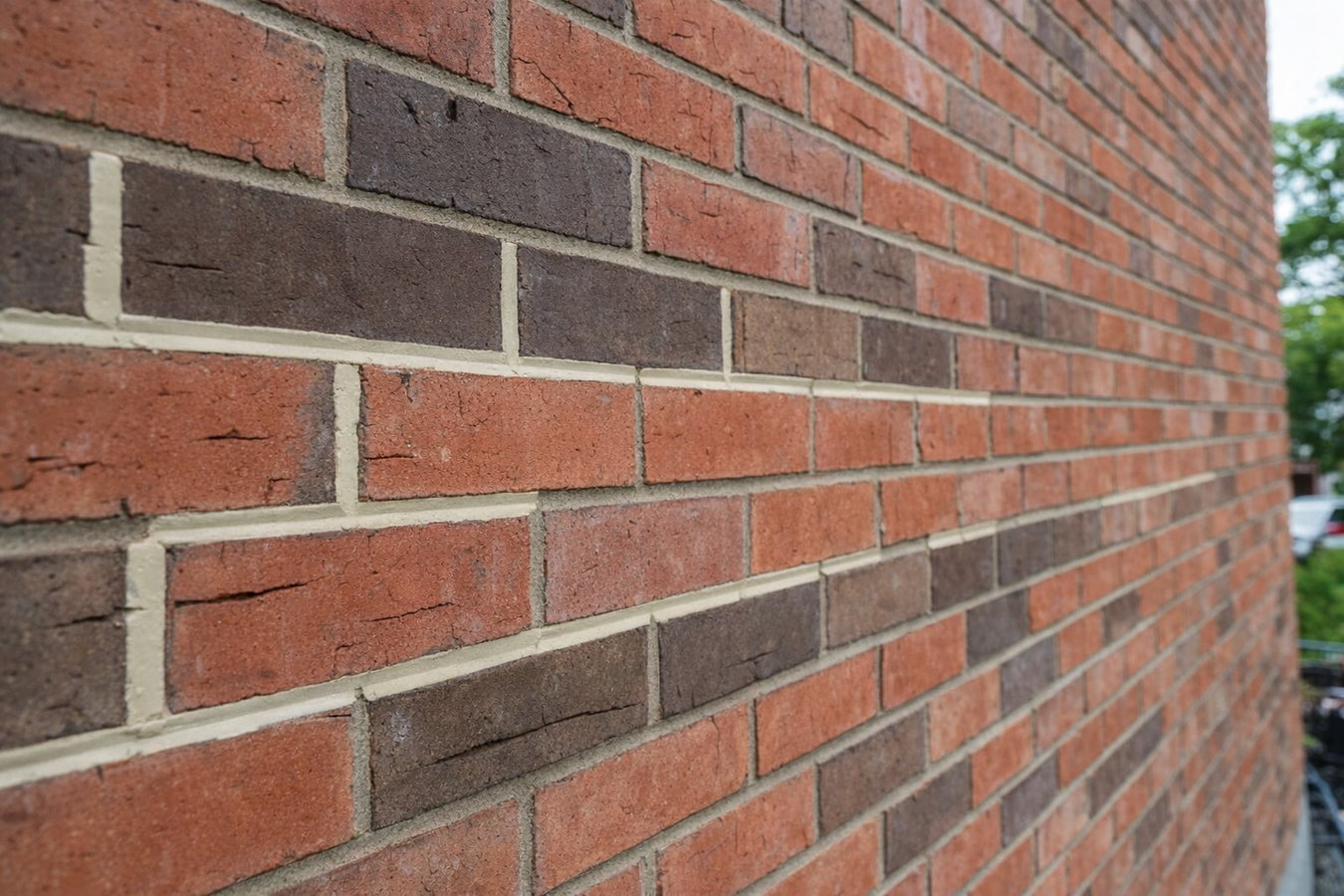
Tuckpointing in Mill Valley means removing crumbling mortar joints from brick or stone and packing in fresh material, most jobs on a chimney or garden wall take one to two days. The mortar between your bricks is softer than the bricks themselves by design - it absorbs movement and moisture so the masonry does not crack. But that same softness means it wears out first, usually within 25 to 30 years, and faster in Mill Valley's coastal fog.
When joints fail, water moves in. In a wet Marin winter that water can freeze, expand, and crack bricks from the inside - turning a straightforward tuckpointing job into a much more expensive brick repair or partial rebuild. Catching failing joints early is the cheaper call by a wide margin.
Run your finger along the mortar joints on your chimney or exterior wall. If the material crumbles away, feels sandy, or gaps are wider than a credit card, the mortar has broken down. This is the clearest sign that tuckpointing is overdue.
That chalky white residue is efflorescence - mineral salt left behind when water moves through the masonry and evaporates on the surface. In Mill Valley's foggy climate this is a common early warning that moisture is getting into your joints and working its way through the wall.
Mill Valley winters bring sustained rainfall and fog, and mortar damage often becomes visible in spring. If your chimney joints look darker, more recessed, or have small chunks missing after the rains, the moisture has been doing its work. Scheduling before the next season is far cheaper than waiting.
On Mill Valley's hillside lots, a stone or brick retaining wall with deteriorating mortar is a safety concern. If joints are open, crumbling, or the wall has any visible lean or bow, have a mason look at it before the next rainy season adds soil pressure.
We handle tuckpointing on chimneys, exterior walls, garden walls, and hillside retaining walls throughout Mill Valley and Marin County. Every job starts with removing deteriorated mortar to the correct depth - roughly three-quarters of an inch - before packing in fresh material matched to your existing masonry. For older homes we select a lime-compatible mix so the new mortar does not stress the surrounding brick. If joint failure has allowed moisture to damage individual bricks, we also offer brick repair and full replacement to address whatever the water reached.
Where mortar joints are badly deteriorated and the surface has lost significant depth, we may recommend brick pointing as part of a broader restoration scope. We walk you through the differences, show you what we find, and give you a written quote before any work starts.
Best for homeowners whose chimney mortar is crumbling, recessed, or showing water staining after wet winters.
Suited to brick or stone facade sections where efflorescence or visible joint gaps have appeared.
Ideal for hillside properties where failing mortar is allowing soil pressure to stress the wall structure.
For pre-1960s Mill Valley homes where lime-compatible mortar is required to protect the original brick.
Mill Valley sits at the base of Mount Tamalpais and pulls in heavy marine fog from the Pacific for much of the year. That persistent coastal moisture works into masonry joints constantly, accelerating mortar breakdown faster than in drier inland cities. Homeowners in San Rafael and Sausalito face the same fog-driven wear on their chimney and garden wall mortar. Any tuckpointing job in this climate should use a mortar mix specifically suited to wet, coastal conditions - not a standard off-the-shelf product.
Much of Mill Valley's character comes from homes built between the 1920s and 1960s, many with original brick chimneys and stone retaining walls. Masonry from that era was often built with softer, lime-based mortars. Using modern high-strength mortar on older brickwork can cause the bricks themselves to crack because the new joint is stiffer than the surrounding masonry. The Bay Area also sits in one of the most seismically active regions in the country - even minor tremors open hairline cracks in mortar joints that then let fog and rain in. After any notable shaking event, it pays to check your masonry rather than waiting for the calendar to prompt you.
Call or use the contact form - we reply within one business day. Describe what you see: gaps, staining, crumbling. Photos help but a site visit gives us the full picture.
We walk the property, examine every affected joint, and check whether any bricks have been damaged beyond tuckpointing. This visit is free and takes 20 to 30 minutes.
You get a written price and a plain-language explanation of what we found, which mortar mix we will use, and whether your home requires a permit before work begins.
We remove old mortar, pack in fresh material, and smooth joints flush with the brick face. Before we leave, we walk the job with you so you can see the finished work and ask questions.
Free on-site estimates. Written quotes before any work starts. We reply within one business day.
(628) 257-3020We hold an active California Contractors State License Board masonry license, verifiable on the CSLB website. That license is required for any masonry job over $500 and means we carry the insurance that protects you if anything goes wrong.
We assess your current mortar hardness and select a compatible replacement mix - lime-based for pre-war homes, higher-strength formulas for newer construction. Using the wrong mortar type is one of the most common ways tuckpointing work fails early. Find standards for mortar selection at the{' '}Brick Industry Association.
Mill Valley's steep lots and older housing stock require different planning than a flat suburban job. We have worked throughout Marin on hillside chimneys, retaining walls, and craftsman-era brickwork - so access challenges and lime-mortar compatibility are not surprises.
You receive a written quote that covers scope, materials, and timeline before we touch your masonry. There are no mid-job price changes and no invoices for work you did not authorize.
Our license, local experience, and commitment to written estimates mean you know exactly what you are getting before we start. That transparency is how we have built a reputation worth protecting in a small community like Mill Valley.
More questions? The City of Mill Valley Community Development Department can confirm permit requirements for your specific property. The California Contractors State License Board lets you verify any contractor license in seconds.
When failing mortar has allowed water to crack or spall individual bricks, we replace the damaged units and repoint the surrounding joints.
Learn MoreComprehensive pointing work for walls where large areas of jointing need attention as part of a broader masonry restoration scope.
Learn MoreMill Valley's wet season arrives fast. Lock in your date now and protect your masonry joints before the next storm tests them.