Loading...
Serving Mill Valley, CA and surrounding areas. (628) 257-3020
A properly built brick wall holds your hillside, defines your property, and handles the Bay Area seismic zone - without rotting, warping, or needing a repaint every few years.
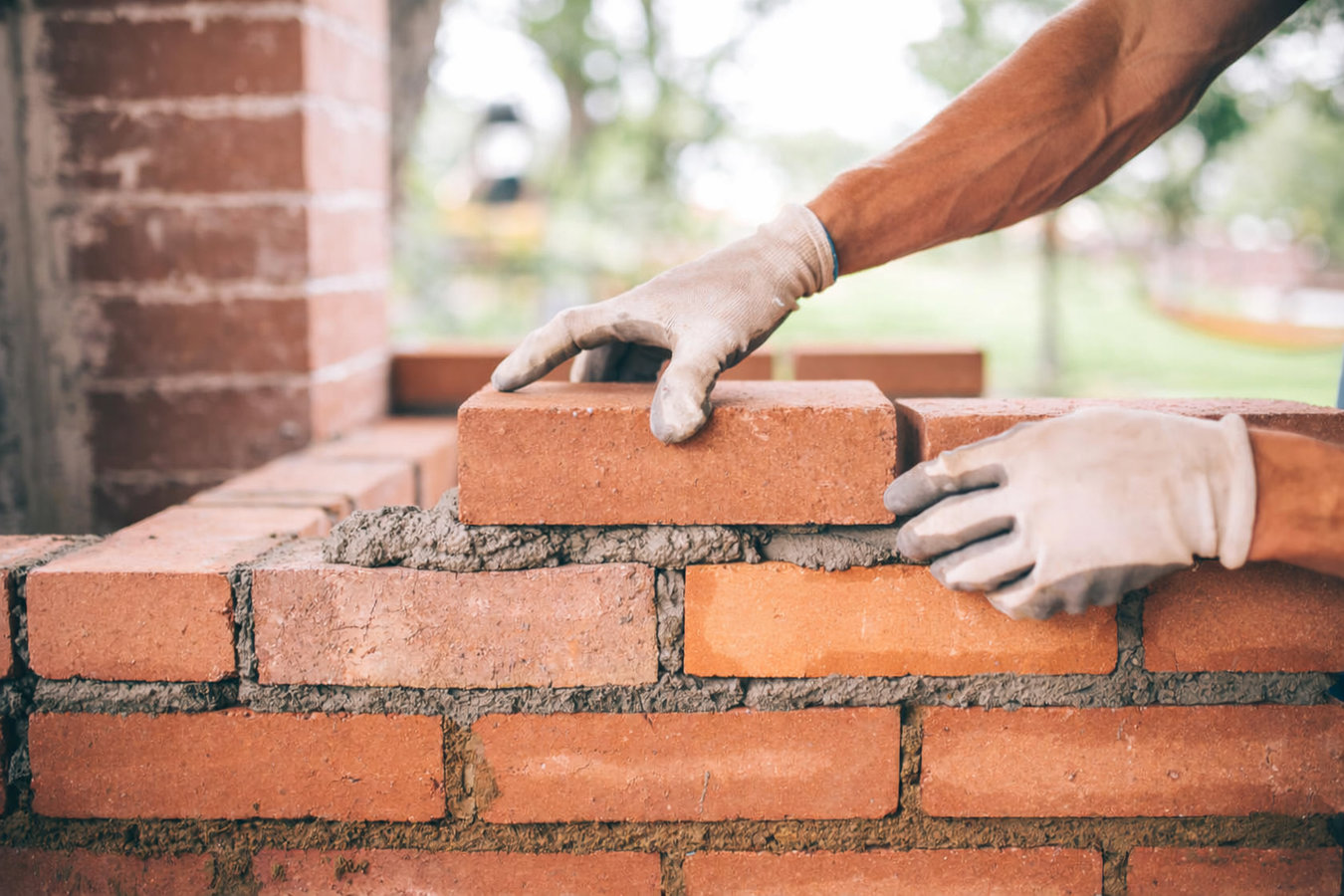
Brick wall installation in Mill Valley means digging a concrete footing, setting steel seismic reinforcement as required by California building code, and laying bricks one row at a time with mortar chosen for the coastal fog-belt climate, most straightforward garden or boundary walls take two to five days of construction once permits are approved.
Homeowners typically call us when a timber retaining wall is rotting and needs replacement, when a sloped yard is losing soil after wet winters, or when they want a permanent boundary that does not require the ongoing maintenance a wood fence demands. Unlike wood, brick does not rot in Mill Valley's persistent fog and moisture - and unlike pre-cast concrete, brick holds its appearance for generations. If the wall is part of a larger outdoor project, our brick repair service covers any existing brickwork that needs attention before new construction begins.
Because Mill Valley sits in a high-seismic-activity region, every brick wall we build includes the steel reinforcement California building requirements mandate. A wall built without this reinforcement is not just non-compliant - it is a genuine hazard. We handle the permit application, coordinate the required inspection, and provide you with the documentation showing the work was done to code.
If soil washes down your slope during wet weather - leaving bare patches, eroding paths, or depositing mud near your foundation - your property likely needs a retaining wall. Mill Valley's steep terrain and heavy winter rains make this one of the most common reasons homeowners here call a mason. Left unaddressed, erosion can undermine your foundation, damage landscaping, and create drainage problems that worsen each year.
A wall that leans even slightly, or shows diagonal cracks through the bricks, is telling you the footing has shifted or the wall was never properly reinforced. In Mill Valley's seismic environment, a compromised wall is not just an eyesore - it is a safety concern. This kind of damage does not fix itself, and waiting usually means a more expensive repair or full replacement later.
Older timber retaining walls, common in Mill Valley neighborhoods developed in the 1960s and 1970s, have a lifespan of 20 to 30 years before the wood begins to rot and lose its ability to hold soil. Soft spots, leaning posts, or sections that flex when you push on them are signs the wall is near the end of its life. Replacing it with brick now is far less disruptive than waiting for it to fail during a rainy season.
If your lot feels open to the street or to neighbors, a brick wall is one of the most permanent and attractive ways to create a defined boundary. Unlike wood fences, brick does not rot, warp, or need repainting - which matters in Mill Valley's damp, foggy climate where wood fences often deteriorate faster than homeowners expect.
We build brick walls as permanent masonry structures with proper concrete footings and the seismic reinforcement California building requirements mandate for this region. Every project starts with a site visit to assess slope, soil conditions, access, and what the wall needs to hold back or define. We work with standard clay brick, reclaimed brick for heritage properties, and a range of mortar types suited to coastal and fog-belt conditions. For properties where the brick wall is paired with other masonry work, our stone masonry and brick repair services can be scoped together so the entire project moves as a single body of work.
On hillside lots - which is most of Mill Valley - the footing depth, reinforcement design, and drainage details are not interchangeable with a flat-lot specification. We size everything for the actual soil pressure, slope gradient, and drainage conditions on your specific property. Written estimates cover footing, reinforcement, brick, mortar, cleanup, and permit fees separately so every line item is visible before you sign.
Best for homeowners who want a defined property edge, raised planting beds, or a low decorative wall that complements the landscape.
Suits Mill Valley properties where soil erosion, slope movement, or grade changes require a structural wall to hold the terrain in place.
Ideal for properties where a full-height wall provides street privacy or a visual break between neighboring lots without the maintenance of a wood fence.
For properties where an aging wood retaining wall is failing and needs to be replaced with a permanent masonry structure that will not rot or shift.
Mill Valley sits in one of the most seismically active regions in the country, within the broader San Francisco Bay Area fault network. California building requirements mandate that masonry walls in this region be reinforced with steel rods and filled with grout - a process that makes the wall significantly stronger but also adds to the cost and complexity of the job. Any contractor who quotes a brick wall here without mentioning seismic reinforcement is either cutting corners or has not worked in California before. The California Seismic Safety Commission provides guidance on masonry reinforcement standards for this region, and the Brick Industry Association sets the installation standards we follow for footing and mortar work. Homeowners in Larkspur face the same seismic requirements and permitting environment, and we work throughout southern Marin County regularly.
The fog-belt climate adds another layer of complexity specific to this area. Mill Valley's persistent marine fog and coastal moisture mean that mortar mix selection matters more than it would in a drier inland city. A mason who does not know this climate may use a mortar that cures inconsistently or develops efflorescence - the white chalky residue that appears on walls exposed to repeated moisture cycles. We choose mortar types suited to damp coastal conditions and time the work to avoid days when fog and dropping temperatures would compromise the cure. Homeowners in Tiburon share this same marine fog exposure, and the approach we bring to those projects carries directly to Mill Valley.
We visit your property in person to assess the slope, soil conditions, access, and what the wall needs to accomplish. You get a written estimate that separates footing, reinforcement, brick, mortar, permit fees, and cleanup. We respond within one business day of your first contact.
For most brick wall projects in Mill Valley - especially anything over a few feet tall or on a hillside - we file the permit application with the City of Mill Valley before any work begins. Permit review can take four to eight weeks, so this step happens well before your scheduled start date. You sign what requires a property owner signature - we handle the rest.
Once the permit is approved, the crew excavates the footing trench, sets steel reinforcement, and pours the concrete base. The footing needs a day or two to cure fully before bricklaying begins. This waiting period is normal and not a sign that work has stalled.
The mason lays bricks row by row, checking level and plumb throughout. Most walls take one to several days of construction once the footing is ready. After the wall is complete, a city inspector visits to sign off on the work - we coordinate that appointment. We walk the finished wall with you before leaving.
Every lot is different - we visit in person and give you a written estimate with no obligation. We respond within one business day.
(628) 257-3020California building requirements mandate steel reinforcement for masonry walls in this region, and we build to that standard on every project - not just when an inspector is watching. You get the permit record and inspection sign-off proving the wall was done correctly, which matters for your homeowner's insurance and when you sell.
Mill Valley's persistent coastal fog and moisture are hard on mortar that was not chosen for these conditions. We select mortar mixes specifically suited to damp, high-humidity environments so your wall does not develop premature cracking or white chalky staining. This is a detail that separates contractors who know this area from those who do not.
Retaining walls on steep Mill Valley lots carry far more soil pressure than walls on flat ground - deeper footings, more reinforcement, and sometimes a soils engineer's review are part of the scope. We have built retaining walls on hillside properties throughout southern Marin County and quote accurately for those conditions from the start.
The City of Mill Valley's permit review process can run four to eight weeks, and projects on hillside lots sometimes require additional engineering review. We handle every step - application, follow-up, and inspection scheduling. You are not chasing down the building department or wondering if the work will pass. Verify our California contractor's license on the CSLB website before you commit.
Brick walls are one of the few home improvements that add lasting value, require almost no maintenance for decades, and genuinely improve how a property holds up to the terrain and climate here. We build them to last, and we handle everything from the first site visit through the final inspection.
Natural stone walls, columns, and structural features installed to complement the wooded, hillside character of Mill Valley properties.
Learn MoreTargeted repairs for cracked, spalling, or deteriorating brickwork - matched to existing materials so repairs blend with the surrounding wall.
Learn MoreMill Valley permit reviews run four to eight weeks - the sooner you call, the sooner your wall is in the ground before another winter.