Loading...
Serving Mill Valley, CA and surrounding areas. (628) 257-3020
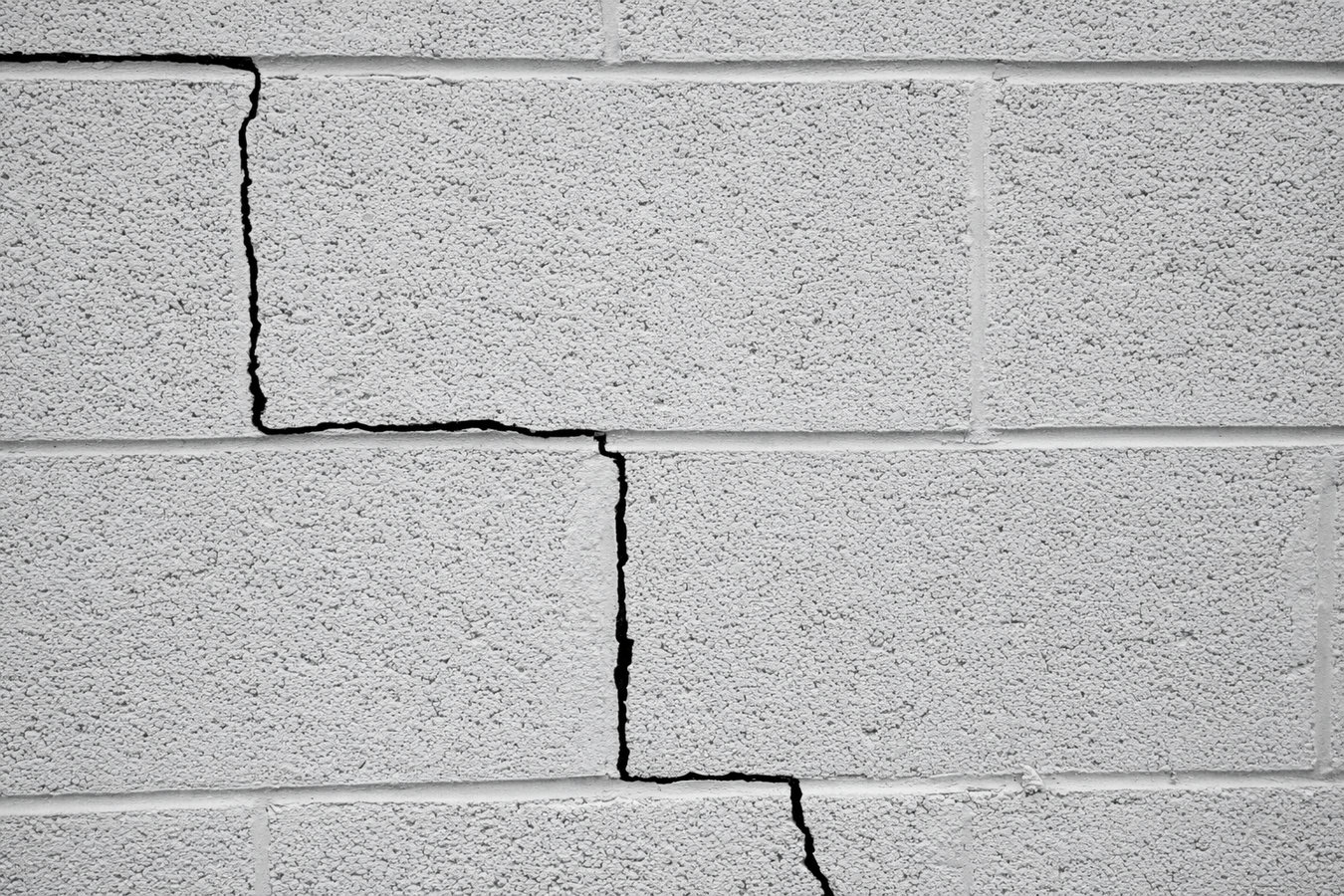
Cracks, sticking doors, and uneven floors are telling you something is moving. We stabilize Mill Valley foundations from the source - so the problem does not come back next rainy season.
Cracks, sticking doors, and uneven floors are telling you something is moving. We stabilize Mill Valley foundations from the source - so the problem does not come back next rainy season.
Foundation repair in Mill Valley addresses the settling, cracking, and shifting that happen when soil movement - driven by wet winters and dry summers - pushes against and pulls away from your foundation walls, with most jobs taking one to three days depending on how many areas need attention.
If you are a Mill Valley homeowner, you have probably already noticed the signs: a door that used to swing freely now drags on the floor, or a crack in the corner of a window frame that was not there last year. These are not just cosmetic issues. In Marin County, where hillside soil expands with every rainy season and contracts through every dry summer, foundation problems do not stay the same size. They grow. Catching the problem now - and fixing what is actually causing it - is almost always less expensive than waiting another year or two.
Foundation repair pairs well with chimney repair if your home has both masonry concerns - addressing structural and chimney issues together reduces disruption and often reveals underlying drainage problems that affect both systems.
If interior doors that used to swing freely now drag on the floor or refuse to latch, the foundation may have shifted. Windows that feel stiff or leave visible gaps at the corners are another signal. In Mill Valley's older homes, this is easy to dismiss as the house settling - but if it is new or getting worse, it is worth a closer look.
Diagonal cracks running from the corners of door frames or windows - or horizontal cracks along crawl space walls - are worth taking seriously. In Mill Valley, these often appear or worsen in late winter and early spring after the soil has been saturated by rain. A crack that is growing is telling you something is moving underneath.
Walk slowly through your home and notice where the floor dips, slopes, or feels soft underfoot. In hillside homes, this can happen when the supports beneath the floor have shifted or when the foundation on the downhill side has settled more than the uphill side - a common pattern in Mill Valley's steep neighborhoods.
A visible gap where an interior wall meets the ceiling, or where baseboards have pulled away from the floor, means the structure is moving. This is different from normal seasonal wood movement - it tends to be larger, more consistent, and located in the same spots year after year. Homes in hillside neighborhoods are especially prone to this as soil shifts over decades.
Every foundation repair starts with an honest assessment of what is actually driving the movement - soil type, drainage, slope, and the age of the structure all factor in. Depending on what we find, work may involve driving steel piers or helical supports deep into stable ground beneath the existing foundation, injecting material to fill voids and lift settled slabs, reinforcing crawl space cripple walls for seismic stability, or correcting drainage patterns that are contributing to soil pressure against the walls. We also address the connection between your house frame and the foundation, which in older Mill Valley homes is often the first thing that needs attention.
For homes with more complex structural needs, we offer foundation block wall installation as a longer-term solution where the existing foundation wall needs to be rebuilt or reinforced. If a repair job also surfaces concerns with adjacent masonry, we can coordinate that work as part of the same project so you are not scheduling multiple crews for overlapping problems.
Steel push piers or helical piers driven into stable soil below the foundation - suitable for settled foundations on hillside lots where surface conditions are not the root cause.
Injecting material beneath a settled slab to lift it back toward level - well suited for garages, driveways, and interior slabs that have dropped unevenly.
Reinforcing the short wood-framed walls between the foundation and first floor - especially important for pre-1980 homes in earthquake-prone Marin County.
Rebuilding or reinforcing older block or unreinforced masonry foundation walls that have cracked, bowed, or deteriorated past the point where surface patching is sufficient.
Mill Valley sits in the hills of Marin County, where many homes are built on slopes with expansive clay soils that swell when wet and shrink when dry. That seasonal cycle - heavy winter rains followed by dry summers - is one of the leading causes of foundation cracking in the area. Homes built between the 1920s and 1960s often have unreinforced concrete or older masonry foundations that were not designed for the soil movement or seismic activity we now understand is routine here. If your home is more than 50 years old and has never had a foundation inspection, a hairline crack in a wall could reflect something deeper.
The permitting environment in Mill Valley also adds a layer that homeowners in other cities do not deal with. Foundation repairs involving structural changes require a permit from the City of Mill Valley Building Department, and work near drainage areas or protected vegetation may require additional review. We work throughout Marin County and are familiar with the local process - whether your home is up in the hillside neighborhoods near Mount Tam or in the flatter areas closer to Corte Madera. Homeowners in nearby San Rafael and Sausalito face similar conditions on hillside lots, and the approach we use in Mill Valley applies across the Marin Peninsula.
Tell us what you have been noticing - sticking doors, wall cracks, uneven floors. We respond within 1 business day and will ask a few basic questions before scheduling a visit. No commitment required at this stage.
We walk through the home and examine the foundation, crawl space, and any visible cracks. At the end of the visit, we explain in plain terms what we found and what we recommend - no pressure, no jargon. You get a written estimate before any work begins.
If your repair requires a permit from the City of Mill Valley Building Department - which is typical for structural work - we handle the application. Permitting adds a few weeks to the start date but means the finished work is inspected and documented, which protects your home's value.
Most jobs take one to three days. You can stay in your home throughout. After the city inspection is passed, we walk you through exactly what was done and what to watch for. You leave knowing the problem was fixed at the source.
We will come to your Mill Valley home, tell you honestly what we see, and give you a written estimate you can compare at your own pace. No pressure, no commitment.
(628) 257-3020Repairing a foundation on a sloped Marin County lot is not the same as fixing a flat-ground slab. We understand how soil movement, drainage, and slope interact on properties like yours - and we will not recommend a one-size-fits-all fix. Your repair is designed for where your home actually sits.
Foundation work that is not permitted can become a serious problem when you sell your home or file an insurance claim. We handle the permit process with the City of Mill Valley, the work gets inspected by the city, and you have a documented record the repair was done correctly. That paper trail is part of what you are paying for.
Patching a crack without addressing why it formed rarely holds. We identify whether soil expansion, poor drainage, or slope-related settling is driving the movement - and address that cause. The California Contractors State License Board requires licensed contractors to disclose what method they are using and why, and we follow that standard on every job.
If what you are seeing is minor, we will tell you that - and tell you what to watch for. If it needs repair, you will understand why before we ask you to spend a dollar. Every job starts with a plain-language explanation and a written estimate covering the full scope of work.
Mill Valley foundations face a combination of steep terrain, older construction, and seasonal soil stress that most contractors in flatter parts of California simply do not encounter. Choosing someone who works in this area every day makes the difference between a repair that holds and one that needs redoing two seasons later. Verify any masonry contractor you are considering at the California Contractors State License Board.
Mortar, flashing, and liner repairs that stop water intrusion and keep your chimney compliant with Mill Valley fire safety requirements.
Learn MoreNew block wall construction for foundations where the existing wall has deteriorated beyond repair or a new structural boundary is needed.
Learn MoreOur crews know Marin County hillside properties. Call now and we can often schedule your assessment within the week - before the next rainy season makes a small problem a bigger one.