Loading...
Serving Mill Valley, CA and surrounding areas. (628) 257-3020
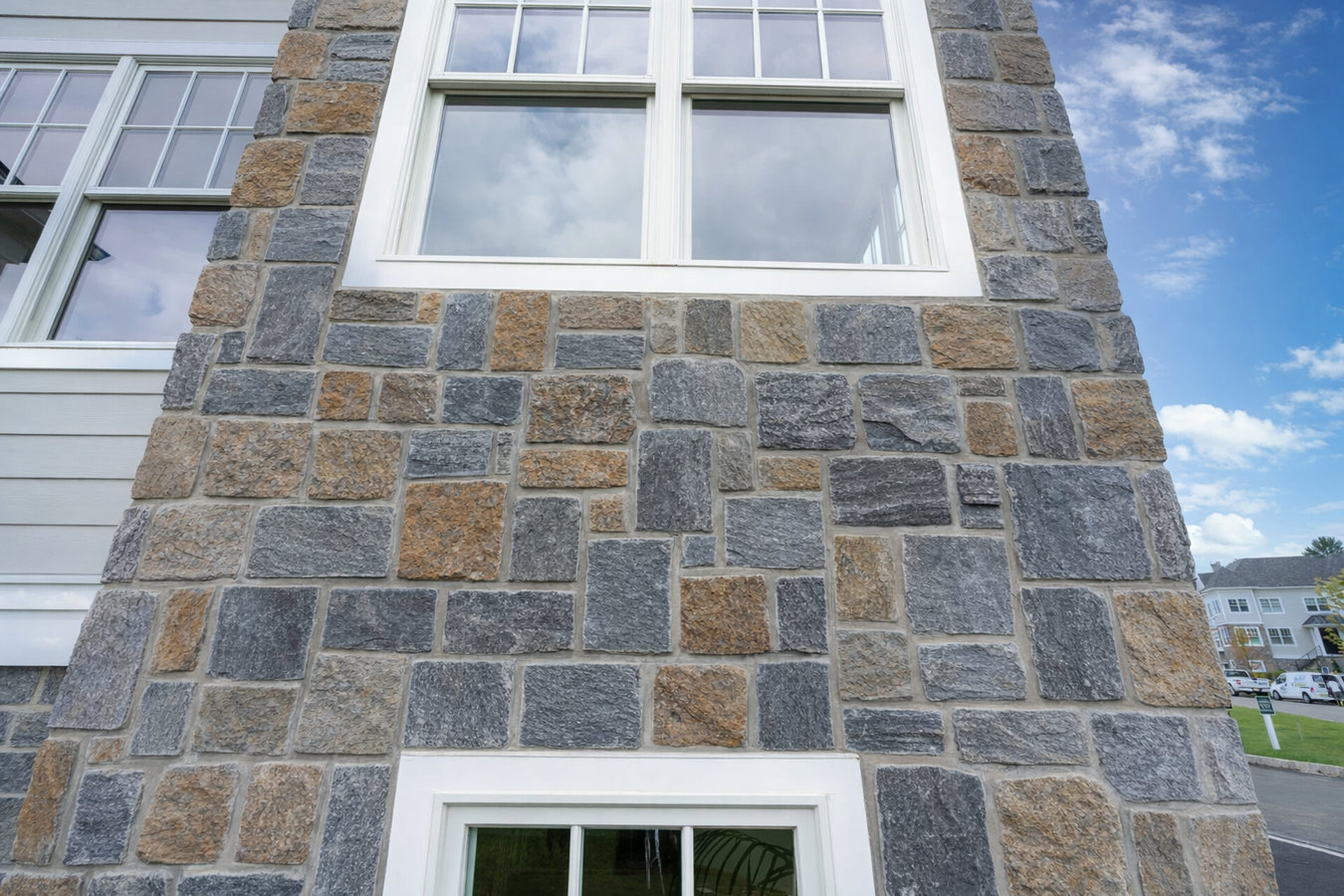
Stone walls, steps, retaining walls, and terraces built to handle Mill Valley's steep terrain and wet winters - properly permitted, properly drained, built to last.
Stone masonry in Mill Valley covers retaining walls, steps, patios, and garden terraces set on excavated footings with mortar selected for the local wet climate, most small projects take one to three days and larger hillside walls can run one to two weeks once permits are in hand.
Homeowners in Mill Valley call us most often when a hillside is eroding after a wet winter, when aging stone steps feel loose and unsafe, or when they want to convert a steep backyard slope into usable outdoor space. Stone is one of the few materials that holds up to the combination of heavy annual rainfall and coastal fog this area sees every year. If the stone structure also needs mortar joint repairs, our brick pointing service can be scoped alongside new work so both happen at the same time.
On hillside lots - which describes most of Mill Valley - stone masonry requires more than setting stones on a flat surface. Excavation, footing depth, drainage behind the wall, and stone selection all depend on the specific slope and soil conditions at your property. We assess each job in person before quoting, and we handle the permit process for any structural work that requires it.
A wall that tilts or has separating stones is losing its ability to hold back soil. On Mill Valley's hillside lots, a failing retaining wall can shift soil toward your foundation or a neighbor's property. If you can see daylight between stones or notice the wall bowing outward, get a mason to look at it before the next rainy season - a leaning wall does not correct itself.
Individual stones that shift when you step on them have lost their mortar bed. This is a safety problem on wet winter mornings when Mill Valley's frequent rain makes any unstable surface slippery. A mason can re-set loose stones and re-point the joints in a day or two - it is a straightforward repair that prevents a fall.
That chalky residue is efflorescence - mineral salts water carries to the surface as it moves through masonry. It is a reliable sign that moisture is getting into your wall or steps where it should not be. Left alone, each rainy season works at the structure a little more from the inside, and what starts as a surface stain becomes a structural problem.
Run your finger along the lines between stones on an older wall. If the mortar crumbles or has gaps you can press into, it is no longer keeping water out. Mill Valley's long rainy season means water finds those gaps every winter. Each year the damage gets worse - and the repair bill grows with it.
We build and repair stone masonry structures for residential properties throughout Mill Valley. Every project begins with an in-person site visit to understand the slope, soil, drainage, and access before a price is put on paper. For new construction, we work with natural stone - granite, quartzite, and fieldstone chosen for proven performance in wet coastal climates. We also build stone retaining walls as a standalone service when the primary goal is holding back soil on a sloped lot, with drainage designed into the wall from the start.
For older homes with original stone features, we match existing stone and mortar as closely as possible so repairs look like they were always part of the wall - not like a patch. Mill Valley has a lot of mid-century homes with stone walls and steps worth preserving, and we assess whether the underlying structure is still sound before recommending a full rebuild versus targeted repair. Written estimates cover all line items separately - stone, mortar, excavation, drainage, cleanup, and permit fees - so there are no surprises after you sign.
For hillside lots where soil erosion, slope movement, or grade change requires a structural wall to hold the terrain and create usable outdoor space.
Suits homeowners who want safe, durable access on sloped ground - cut stone or fitted fieldstone set on a stable mortar bed with consistent, non-slip surfaces.
Ideal for Mill Valley yards where a steep backyard slope can be converted into a flat seating or planting area using stone walls and a leveled stone surface.
For existing stone walls, chimneys, or steps with failing mortar joints, loose stones, or efflorescence - repaired to match the original so the fix is invisible.
Mill Valley receives around 50 inches of rain a year - well above the California average - and most of it falls between November and March in concentrated storms. That repeated soaking and drying cycle is hard on any masonry surface that was not installed with proper drainage or sealed correctly. Stone masonry here has to be designed with water in mind from the start: weep holes behind retaining walls, mortar chosen for wet-climate performance, and stone selected for low water absorption. Homeowners in Sausalito face similar coastal moisture conditions, and so do properties throughout southern Marin County.
The hillside terrain adds another layer of complexity. Much of Mill Valley sits on steep slopes in the Marin Hills where flat-lot assumptions do not apply. Excavating a proper footing on a hillside, planning drainage so water does not build up behind a wall, and working safely on a steep grade all take more time and skill than the same job on flat ground. The Marin County Community Development Agency oversees permits and environmental review for hillside projects, and the Mason Contractors Association of America sets the professional standards for structural masonry work. Homeowners in Tiburon and across the peninsula deal with similar hillside masonry challenges, and we bring the same site-specific approach to every property we visit.
We respond within one business day. A few basic questions - what you are seeing, where the project is, and roughly what you want to do - help us prepare for the site visit. We do not quote without seeing the property in person.
We visit your property, walk the site, take measurements, and assess slope, soil, and drainage. You get a written estimate broken down by material, labor, drainage, and permit fees - with no hidden line items added after you sign.
If your project requires a permit - common for retaining walls and structural work in Mill Valley - we submit the application and manage the approval process. You do not need to contact city hall. We factor the permit timeline into the project schedule from the start.
The crew stages materials, excavates if needed, and lays stone from the footing up. We clean up debris at the end of each day. When the work is done, we walk the finished project with you and give you simple guidance on care and what to watch for after the first rainy season.
We visit your property in person, give you a written estimate, and handle permits. No obligation, no sales pitch.
(628) 257-3020Most of our stone masonry work in Mill Valley happens on sloped lots where footing depth, drainage, and access planning are part of every estimate. We do not apply flat-lot specs to hillside jobs and call it done - we assess the actual conditions at your property and size the work accordingly.
We select stone and mortar based on how they perform in Mill Valley's specific combination of heavy winter rain and coastal fog - not what looks good in a catalog. Dense, low-absorption stones and mortar mixes appropriate for a coastal climate are the baseline on every project we quote here.
California requires a C-29 Masonry contractor license for structural masonry work. You can verify any contractor's license status in minutes at the California Contractors State License Board website - we encourage every homeowner to do so. Licensing also means we carry the required liability insurance and workers' compensation coverage.
For structural stone work in Mill Valley, permits are part of the job - not an afterthought. We submit the application, coordinate with the city, and are present for the inspection. You get documentation showing the work was reviewed and approved, which matters when it comes time to sell your home.
Stone masonry done right is one of the longest-lasting improvements you can make to a home in this market. We combine site-specific planning, proper materials, and full permit compliance so the work holds through Mill Valley winters and still looks right when you are ready to sell.
Mortar joint restoration for brick chimneys, walls, and steps - matched to existing materials so repairs hold through Mill Valley's wet winters.
Learn MoreStructural retaining walls built for hillside lots throughout Mill Valley - designed for slope stability, drainage, and Marin County permit requirements.
Learn MoreMill Valley's dry season fills fast - call us now or request a free estimate and lock in your spot before fall.