Loading...
Serving Mill Valley, CA and surrounding areas. (628) 257-3020
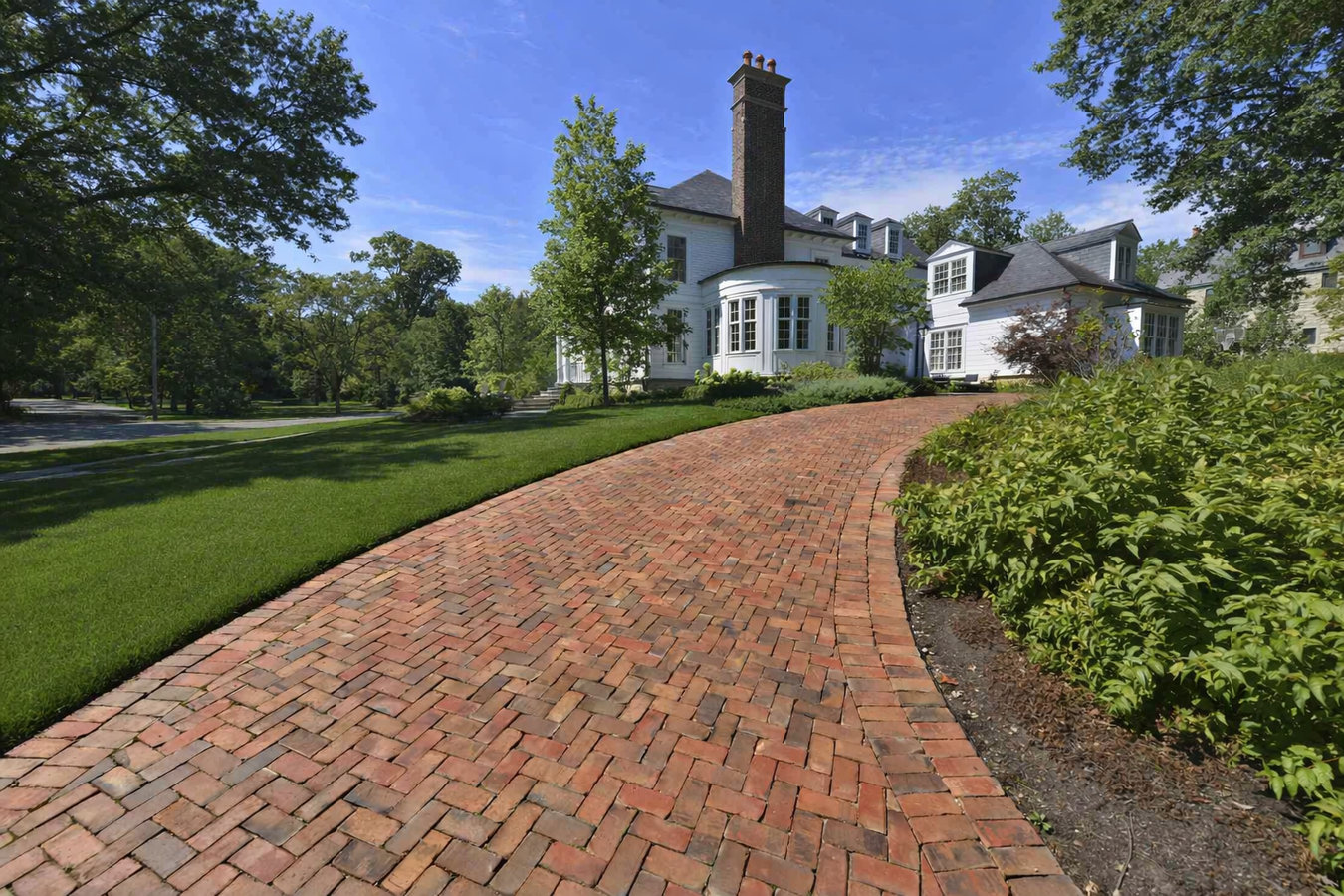
A properly built walkway handles Marin winters, hillside slopes, and tree roots - so you stop white-knuckling it to your front door every time it rains.
Walkway construction in Mill Valley means excavating the path, preparing a compacted gravel base, and installing your chosen surface material so it holds up for years, most residential projects take one to three days of active work plus a curing period before the path handles regular foot traffic.
Most homeowners call us after a walkway has started rocking underfoot, turned green with moss every winter, or simply never existed at all - just muddy ground between the driveway and the front door. The base layer under the surface is what separates a walkway that lasts from one that fails in the first rainy season. If your project connects the walkway to a driveway or parking area, our driveway pavers work covers that transition seamlessly.
Mill Valley sits on hillside terrain with clay-heavy soils and close to 50 inches of rain per year. Those conditions mean drainage and base depth are not afterthoughts - they are core to the design. A contractor who does not account for them upfront is setting you up for a walkway that shifts, cracks, or pools water within a few years.
Walk your existing path slowly and press down on each section. If anything tilts, shifts, or wobbles, the base underneath has failed. This is a trip hazard - especially for older family members or guests - and it will not correct itself over time. The underlying cause is a compromised base layer, not just surface wear.
If your walkway turns green and slippery each rainy season, or puddles sit on the surface for hours after a storm, the drainage was never designed for Mill Valley's wet winters. This is both a safety issue and a sign the surface is absorbing moisture it should not, which shortens its lifespan year by year.
Mill Valley's mature tree canopy is one of its defining features, but roots are relentless. Cracks running along the surface, or sections pushed up from below, almost always trace back to root pressure. Patching individual cracks rarely solves the problem - the underlying pressure keeps coming back until the route is redesigned or root barriers are installed.
Many older Mill Valley homes were built when a gravel path or stepping stones were considered sufficient. If you are navigating muddy ground every time it rains, a properly built walkway makes your home safer, more welcoming, and far easier to maintain year-round - especially on hillside lots where drainage is already a challenge.
We build residential walkways using natural flagstone, concrete pavers, and poured concrete - and every project starts with proper base preparation and drainage design for the specific conditions on your lot. Natural stone suits Mill Valley properties that want a path fitting the wooded, hillside character of the neighborhood. Concrete pavers give you a clean, durable surface in a range of finishes that hold up well in Marin County moisture. Poured concrete is the most cost-effective option for straightforward paths on accessible lots. When the project connects the walkway to a larger hardscape, our brick wall installation and driveway pavers services can be scoped together for a unified result.
On hillside lots - which is most of Mill Valley - we assess slope, soil type, tree root zones, and water flow before quoting. Steps, level landings, and drainage channels are built in from the start rather than added as corrections later. We provide written estimates that cover excavation, base, surface material, and cleanup so there are no line items that appear after you sign.
Best for properties where the path should blend with the wooded, natural setting that defines Mill Valley neighborhoods.
Suits homeowners who want a durable, low-maintenance surface with design flexibility and good wet-weather grip.
Ideal for accessible lots where budget efficiency matters and a clean, functional path is the priority.
For hillside lots where the grade change between the street and the front door requires a safe, structured path with integrated steps.
Mill Valley averages around 50 inches of rain per year, most of it falling between November and March. That is more than three times the national average, and it means every walkway built here has to shed water actively - not just sit on level ground and hope for the best. A slight slope built into the surface, a deep enough gravel base, and edge drainage designed for the site are the difference between a path that performs for decades and one that pools water, grows slippery moss, and heaves within a few rainy seasons. The Interlocking Concrete Pavement Institute sets the installation standards we follow for paver and base work, and the UC Cooperative Extension in Marin documents the clay-heavy soil conditions that affect base design here. Homeowners in Corte Madera deal with similar drainage demands, and we work throughout southern Marin regularly.
The steep terrain and mature tree canopy in Mill Valley add two more layers of complexity. Many lots have grade changes that require steps or retaining elements as part of the walkway design. Large established trees whose roots extend well past the trunk can lift any surface placed over them within a few years if the path route is not planned with that in mind. We assess root zones before digging and adjust the path layout where needed - sometimes a small change in route protects both the tree and your investment for the long term. Homeowners in San Rafael face comparable hillside and drainage challenges, and we bring that same experience to every project here.
Reach out by phone or through the contact form and describe what you are looking for. We respond within one business day and schedule a time to visit your property. For a hillside property with mature trees, a phone quote is not accurate - we need to see the site.
We visit in person, assess the slope, soil, tree root zones, and current drainage. We walk through material options with you and explain what base preparation your specific conditions require. You get a written estimate covering every line item before any decision is made.
If your project requires a permit from the Town of Mill Valley, we handle the application and coordinate inspection. We tell you upfront whether a permit is needed and what it adds to the timeline - typically a few weeks on the front end for straightforward residential walkways.
The crew excavates, prepares the compacted gravel base, and installs your surface material. Most walkways take one to three days of active work. After a curing period, we walk the finished path with you and address anything that does not look right before leaving.
No pressure, no obligation - just a clear written estimate for your specific property. We respond within one business day.
(628) 257-3020Most Mill Valley lots are nothing like a flat suburban yard. We have built walkways on steep slopes, around mature root systems, and in tight access situations throughout southern Marin County. That means the estimate you get reflects what your property actually requires - not a baseline figure that grows once work starts.
With 50 inches of rain per year, a walkway that does not shed water properly fails faster here than almost anywhere else. We design the surface slope, base depth, and edge drainage to match your specific site conditions - so the path performs through wet winters without puddling, heaving, or growing moss.
We hold an active California contractor's license - you can verify any California license on the{' '} California Contractors State License Board website in about 30 seconds. We pull permits when required and coordinate inspections, so you are never left chasing down paperwork or wondering if the work was done to code.
One of the most common complaints about home improvement contractors is a low quote that grows after work starts. Our written estimates cover excavation, base preparation, drainage, materials, and cleanup. What we quote is what you pay - no line items that appear mid-project.
These are not selling points - they are the baseline for doing this work correctly in Mill Valley. A walkway built without local drainage knowledge and proper base preparation will not hold up here. We build to last, and we stand behind the work after the job is done.
Permanent brick walls for property boundaries, garden beds, and retaining applications - built with seismic reinforcement for the Bay Area.
Learn MoreInterlocking paver driveways that handle Marin County's winter runoff and complement the natural character of hillside Mill Valley properties.
Learn MoreMill Valley winters are hard on poorly drained paths - lock in your start date now and have a finished walkway before the rain arrives.