Loading...
Serving Mill Valley, CA and surrounding areas. (628) 257-3020
Crumbling mortar, failed flashing, and aging liners let water and risk into your home. We repair chimneys in Mill Valley the right way - inspected, permitted, and fire-safe.
Crumbling mortar, failed flashing, and aging liners let water and risk into your home. We repair chimneys in Mill Valley the right way - inspected, permitted, and fire-safe.
Chimney repair in Mill Valley addresses the mortar, flashing, liner, crown, and cap that protect your home from water, fire, and combustion gases, with most straightforward jobs completed in a single day and more involved liner or structural work taking two to three days.
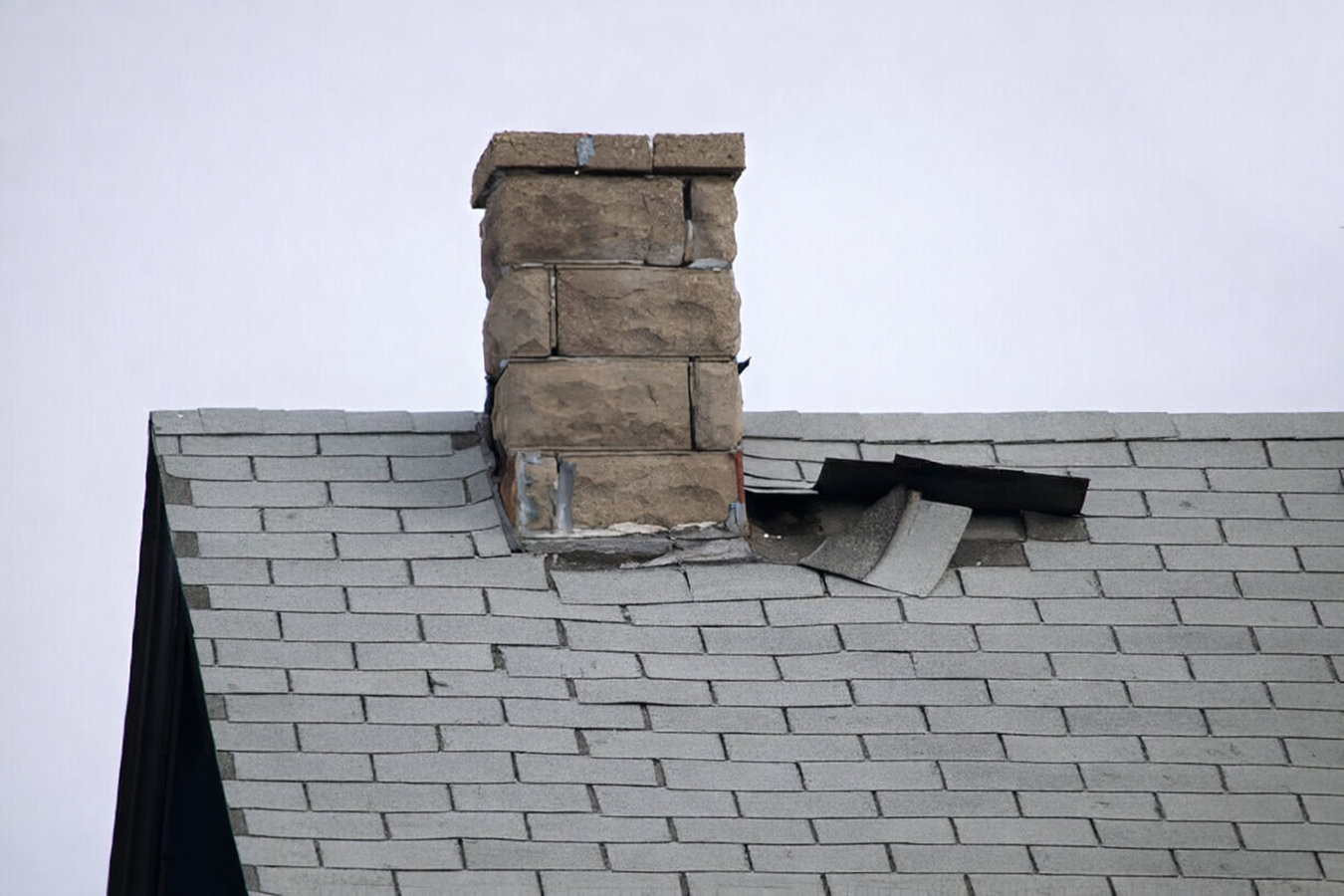
Most homeowners do not think about their chimney until something goes wrong - a water stain appears on the ceiling near the fireplace, mortar starts crumbling off the bricks, or an inspector flags something during a home sale. In Mill Valley, the combination of old housing stock and heavy winter rainfall means chimney problems tend to develop faster and with more consequence than in drier climates. A missing chimney cap lets rain fall straight down the flue. Cracked mortar lets water in behind the bricks. A deteriorated liner lets heat and combustion gases work into your walls. None of these get better on their own.
Chimney repair often surfaces a need for tuckpointing on the broader masonry - grinding out failing mortar joints and repacking them before the damage reaches the bricks themselves. We can handle both as part of the same visit.
Chalky white streaks or patches on the outside of your chimney mean water is moving through the masonry and carrying dissolved salts to the surface. In Mill Valley's rainy winters, this is one of the first visible signs that mortar joints are failing. It will not fix itself - and the longer it sits, the more brick and mortar gets damaged.
Stand back and look at your chimney from the yard. If you can see gaps where mortar used to be, or if the mortar looks sandy and crumbled, water is already getting into those joints. This is especially common in homes built before 1970, which make up a large share of Mill Valley's housing stock. Catching it early means a simpler repair - waiting means replacing bricks.
A stain that appears on your ceiling or wall near the fireplace after a rainstorm almost always points to a chimney leak. The source is usually failed flashing, a cracked crown, or a missing cap. Mill Valley's heavy winter rains make this symptom show up faster and more dramatically than in drier climates.
If you hear scratching or chirping from the fireplace, or find twigs and leaves in the firebox, your chimney cap is either missing or damaged. A missing cap also means rain falls straight down the flue. This is a quick fix, but it is also a sign the chimney has not been maintained recently - which means it is worth having the whole system inspected while someone is already there.
Every chimney repair job starts with an inspection - examining the mortar joints, the flashing where the chimney meets the roof, the crown at the top, the cap, and the liner inside the flue. For anything beyond a visible surface repair, we use a camera to look inside the flue because that is the only way to see cracks or deterioration in the liner. What we find determines what we recommend: mortar tuckpointing to stop the water cycle before it reaches the bricks, flashing replacement to seal the roof penetration, cap and spark arrestor installation to meet Mill Valley's fire safety requirements, crown repair to protect the top of the chimney from water penetration, or full liner replacement for homes where the original clay tile has cracked or worn past the point of safe use.
For chimneys that have been neglected for years, we can also handle fireplace installation and upgrades if a firebox or insert replacement is part of the project. Combining chimney repair with fireplace work in a single visit reduces the back-and-forth and ensures everything is assessed together.
Grinding out crumbling mortar joints and packing in fresh material - suited for chimneys where the bricks are still sound but the mortar has worn down from rain and freeze-thaw cycles.
Resealing or replacing the metal where your chimney meets the roof - the most common source of chimney leaks and water stains on ceilings near the fireplace.
Replacing the clay tile or installing a new stainless steel liner - necessary when the original liner has cracked, which is common in Mill Valley homes built before 1970.
Installing a properly fitted chimney cap with spark arrestor mesh to comply with fire safety requirements in Mill Valley's Very High Fire Hazard Severity Zone.
Mill Valley averages around 50 inches of rain per year - more than most Bay Area cities - and that sustained winter moisture works its way into small cracks in chimney mortar and brick at a rate that homeowners in drier parts of California simply do not experience. Most of the town's housing was built between the 1920s and 1960s, when clay tile liners were standard. Those liners have a typical lifespan of about 50 years under normal use, which means a large share of homes here are already past that threshold. If your home was built before 1970 and the chimney has not been relined, there is a real possibility the liner has cracks or gaps that are not visible from the firebox. Add to that the seismic activity common across the Bay Area - even small earthquakes can shift mortar joints or crack the liner inside the flue - and you have a combination of risks that makes annual chimney inspections worthwhile here in a way they are not in many other markets.
Mill Valley also sits in a Very High Fire Hazard Severity Zone, which means spark arrestors are required on all chimneys. A missing or damaged cap is one of the fastest fixes a mason can make, and it keeps you in compliance with local fire safety requirements. We serve homeowners across Marin County, including those in Fairfax and Tiburon, where older housing stock and similar fire risk conditions create the same set of chimney concerns as in Mill Valley.
Tell us what you have noticed - white staining on the bricks, water stains near the fireplace, or something you saw during an inspection. We respond within 1 business day and will schedule an in-person visit. Chimney repairs vary too much to quote over the phone.
We examine the chimney from the roof and inside the firebox. For anything beyond a visible surface repair, we use a camera to look at the liner. After the inspection, you receive a written estimate that lists each repair separately with a price, so you know exactly what you are paying for.
If your repair requires a permit from the City of Mill Valley Building Division - liner replacement, crown rebuilding, or firebox changes - we handle the application. Plan for one to three weeks added to the start date. We will not let a contractor talk you out of permits that are required.
Most mortar, flashing, and cap jobs are completed in a single day. Liner replacement may take two to three days. Fresh mortar needs 24 to 48 hours to cure before you use the fireplace. If a permit was pulled, we coordinate the city inspection and let you know when you are cleared to use the chimney.
We will inspect your chimney in person and give you a clear, itemized quote so you can plan your budget and decide on your own timeline. No pressure.
(628) 257-3020Many Mill Valley homes were built 60 to 100 years ago, and the chimneys that came with them have had decades of rain, seismic activity, and use. We do not assume everything is fine just because nothing looks wrong from the outside. A camera inspection is part of our standard process for any home where the liner has not been evaluated recently.
Mill Valley's Very High Fire Hazard Severity Zone designation means your chimney must meet specific spark arrestor requirements. We make sure your chimney meets those standards before we leave - so you can use your fireplace knowing everything is in order and your homeowner's insurance is not affected by a missing cap.
You receive a written estimate that breaks down every repair before any work starts, and we do not add to it without talking to you first. The Chimney Safety Institute of America recognizes this standard of disclosure as part of professional chimney contracting - and it is how we operate on every job.
Chimney work that is not permitted can create problems when you sell your home or file an insurance claim. We handle the permit process with the City of Mill Valley Building Division for any work that requires it, and the finished job is inspected by the city - not just signed off by us.
Chimney repair in Mill Valley combines old construction, a wet climate, seismic risk, and strict fire safety requirements in a way that rewards working with someone who already understands all of those layers. Ask any contractor you consider for their California license number and confirm it at the California Contractors State License Board.
Restoring mortar joints across brick and masonry surfaces - often paired with chimney repair when the same moisture damage has spread to adjacent exterior walls.
Learn MoreNew fireplace or insert installation for homes adding a hearth or replacing an outdated firebox while the chimney system is already open for repair.
Learn MoreMill Valley's wet season starts in November. Call now to book an inspection and get your chimney sealed and spark-arrestor compliant before the first storm hits.